

We do L2 first on every value chain before dropping to L3 — the big picture stays in view while we work the detail. Arabic appears in the activity and role names; the technical notation stays untouched.


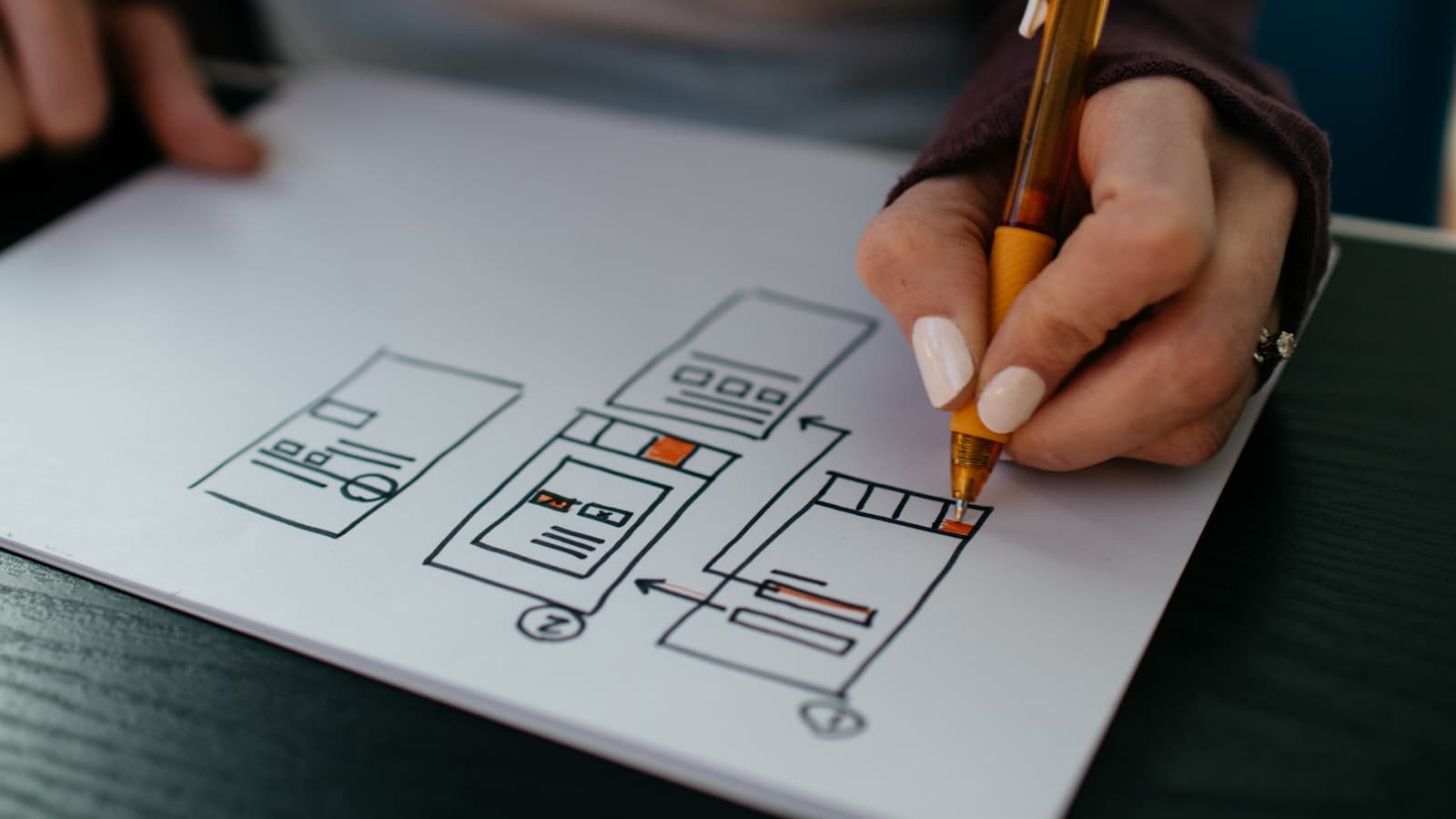
One model. Business and IT read it the same way. That is the whole reason it exists.
OMG built BPMN for one reason: the analyst, the process owner, and the developer need to read the diagram with the same meaning. When that happens, what gets built looks like what was designed. The model is the asset; the tool is secondary. Any serious tool today imports and exports the standard .bpmn format, and any tool that does not is vendor lock-in waiting to happen.
Agree which processes get modeled, and at what level. A decision made in week one.
L2 first, then L3 process by process, starting from the value chain.
Sessions with the process owners to make sure the model matches reality, not wishful thinking.
Formal sign-off through the EA Governance Committee, then publish into the repository with explicit access controls.
A regular refresh cycle inside requirements management. The model keeps tracking reality instead of freezing.
We do L2 first on every value chain before dropping to L3 — the big picture stays in view while we work the detail. Arabic appears in the activity and role names; the technical notation stays untouched.
Every model lands in the EA repository, auto-linked to NORA capabilities and services. You get standard .bpmn files that import into ABACUS, Camunda, or anything else without quality loss.
We train your team to read and write BPMN, so leadership decisions rest on a model — not a slide — and you do not stay dependent on us for future cycles.
BPMN stands for Business Process Model and Notation. An OMG standard for drawing processes so everyone reads them the same way. The working version today is 2.0.
BPMN is for workflow, specifically. UML is broader and built for object-oriented software design. EPC is an older European notation. In Saudi public sector today, BPMN is the default by a wide margin.
Events, Activities, Gateways, Sequence Flows, Message Flows, Pools and Lanes, and Data Objects. Seven groups, and every diagram you will see is built from them.
Only at L4. Then it runs in any standards-compliant engine: Camunda, Bonita, Activiti. Most models in government work stop at L3, which is enough for business needs.
L1 high-level map, L2 value chain, L3 detailed process, L4 executable. Pick the level based on what the model is for, not on a wish to be exhaustive.
Yes. Activity names, descriptions, and roles in Arabic; the technical notation stays as-is. ABACUS supports Arabic fully, so no workarounds needed.
BPMN feeds the Business Architecture in NORA. Each process is wired to a service, an org unit, and a capability. Without that wiring, impact analysis is just guesswork.
Our consultants model, train, and hand off files that run in your repository from day one.
Back to all services